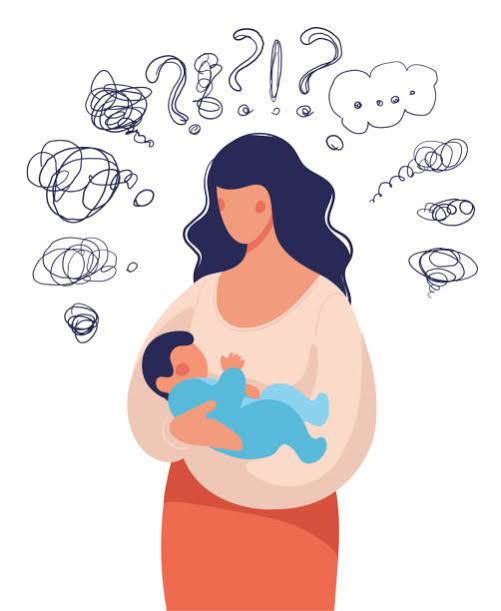
Bringing a new baby into the world is incredible, but it can also feel like someone shook your snow globe and forget to let the flakes settle. Postpartum emotions and stress are real, powerful, and completely normal. Between hormonal shifts, sleepless nights, and the pressure to “do everything right,” it’s no wonder many parents feel overwhelmed.
Here’s how to navigate this emotional roller coaster with compassion, calm an a few deep breaths.
- Acknowledge your feelings – all of them.
Joy, anxiety, exhaustion, love, frustration, pride, tears that appear for no reason – these feelings can all exist at onc3e. instead of judging yourself, try naming what you’re feeling.
“Today I’m tired.”
“Right no I’m anxious.”
“This moment is hard.”
Naming emotions helps you process them instead of letting them simmer beneath the surface.
- Move you body (gently!)
You don’t need a full workout to feel better.
A slow walk, gentle stretching, breathing exercises, or a few minutes of fresh air can help rest your nervous system. Movement releases stress and boosts mood – no gym membership of fancy leggings required.
- Create small moments of calm
Big self-care can feel impossible right now, so aim small.
A warm shower.
A cup of tea.
A quiet minute by a window.
Listening to your favourite song
These tiny “micro breaks” add up and signal to your brain that you’re cared for, too.
- Ask for help (and actually accept it)
Postpartum life isn’t meant to be lived solo. Let your support system stell in – family, friends, neighbours, anyone who loves you. Let them fold laundry, bring dinner, watch the baby while you nap, or simply sit with you. You don’t get a medal for doing everything yourself. You get strength from letting others support you.
- Stay connected
Isolation can make everything feel heavier. Talk to other new parents, join online support groups, or let friends know how you’re really doing. A simple “this is tough today” can open the door to comfort and solidarity.
- Set realistic expectations
Your home doesn’t need to sparkle, your meals don’t need to be perfect, you do not need to “bounce back”. This is a season of adjustment. Focus on what matters: you’re healing, learning, and caring for your baby. Everything else can wait.
- Sleep when you can (even if it’s weirdly timed)
Postpartum stress is harder to manage when you’re exhausted – which, ironically is most of parenting. Try napping while the baby naps, going to bed earlier, or taking shifts with your partner. A small increase in rest can make a big difference in emotional resilience.
- Know when to reach out for professional support
Postpartum anxiety and depression are common and treatable. If you’re feeling persistently sad, overwhelmed, numb, hopeless, or disconnected from your baby – or it your stress feels unmanageable reach out to your doctor or a mental health professional. Getting support is a sign of strength, not failure.
Postpartum emotions can be intense, unpredictable, and sometimes confusing. But you’re not alone, and you’re not doing anything wrong. You are adjusting to a life-changing new chapter while caring for your child. Give yourself grace. Slow down where you can. Ask for help when you need it you’re doing an amazing job – even on the days when it doesn’t feel like it.
Want to share your experiences or hear how other parents deal with postpartum stress and anxiety?
Join out parenting circle and be part of the conversation.

